

Kenya Kids Education Fundraiser
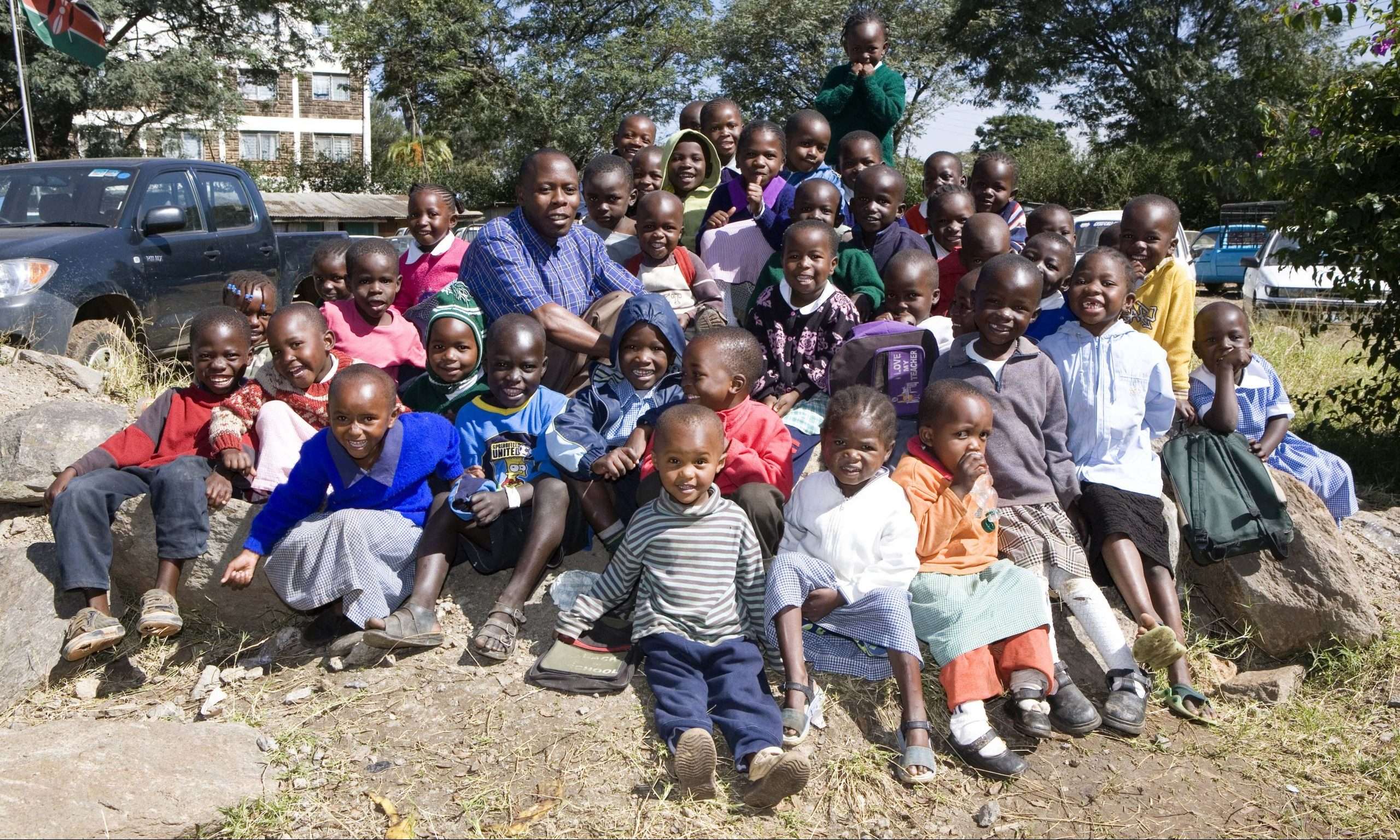
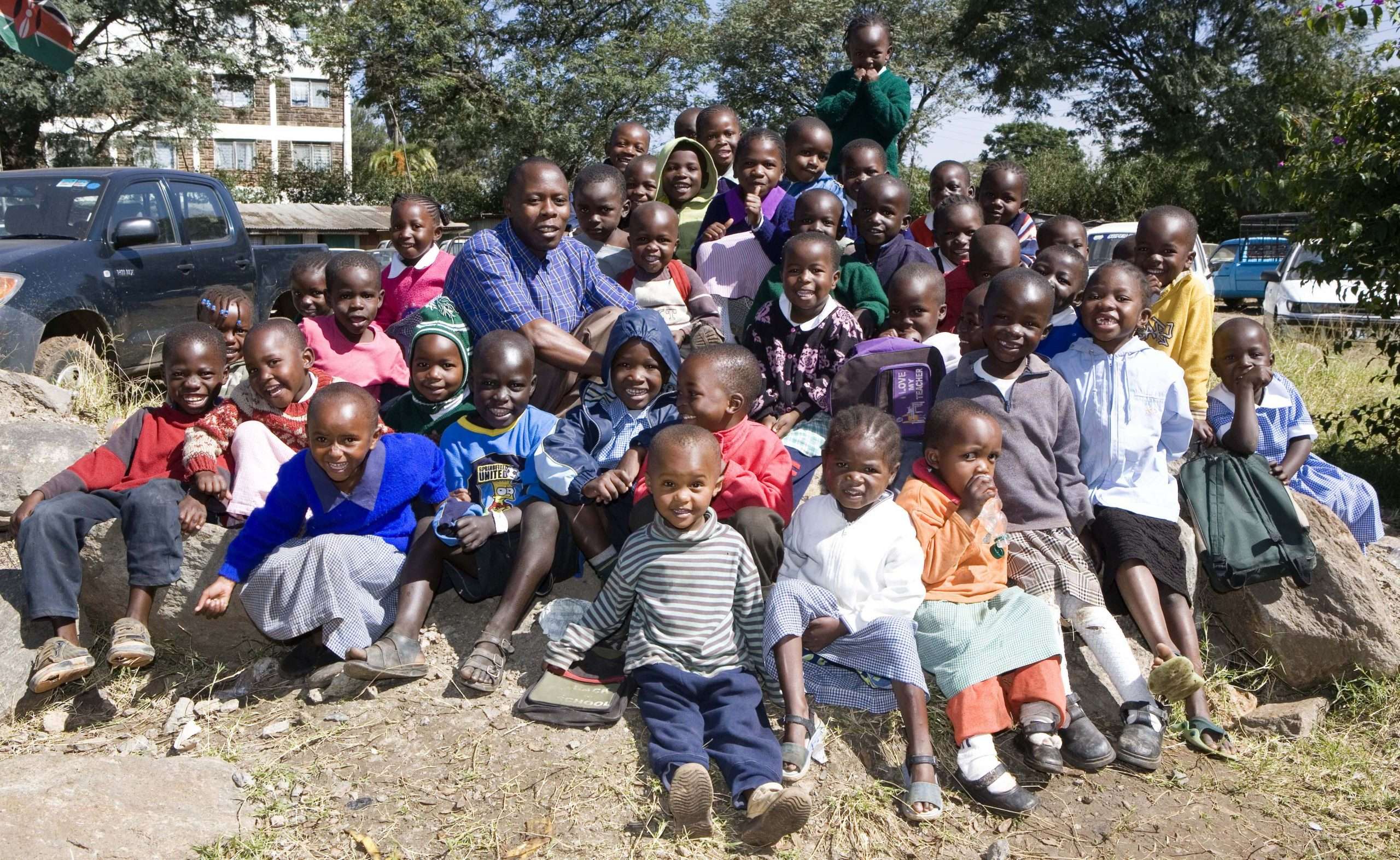
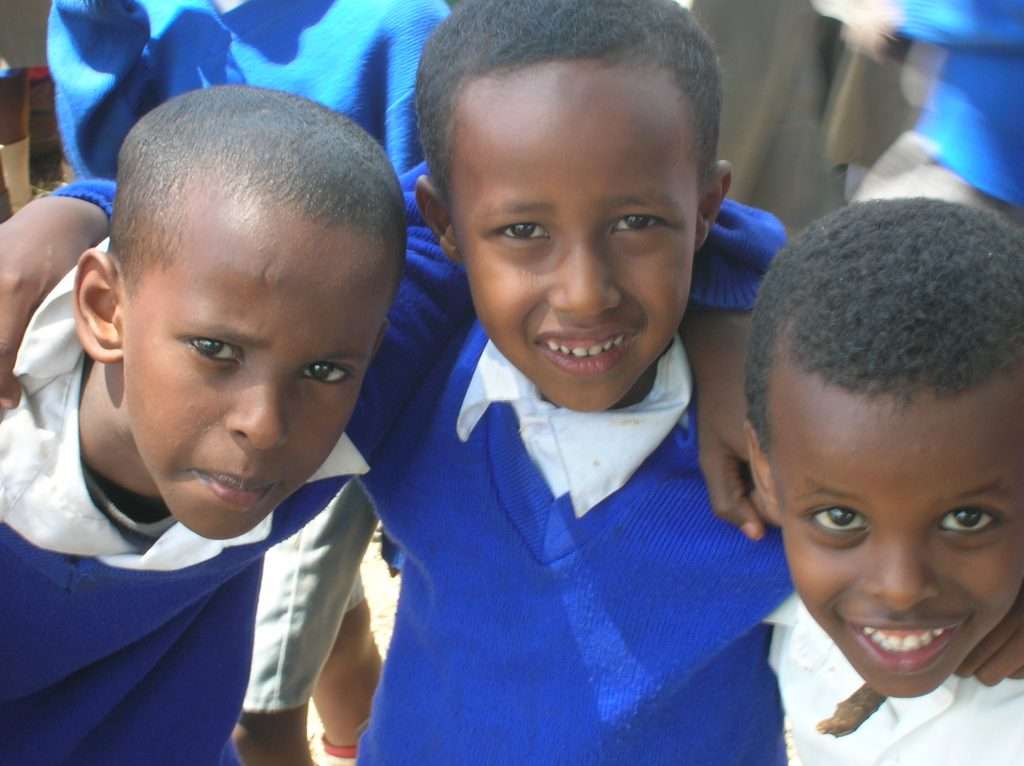
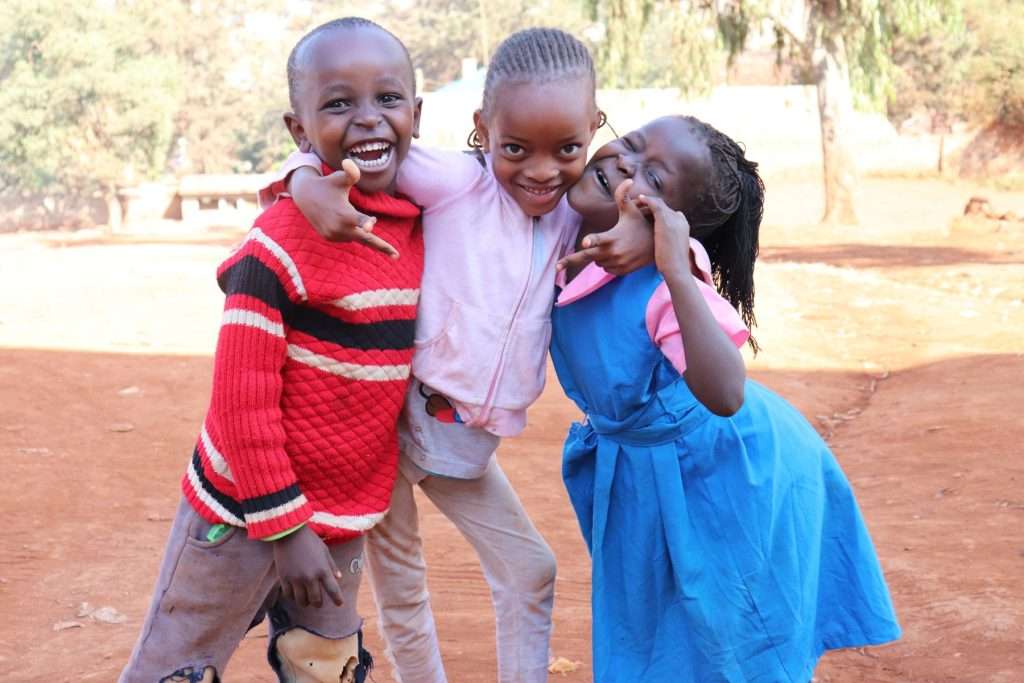
Kenya Kids is an Orphans and Vulnerable Children (OVC) sponsorship project created to serve children by embracing and strengthening highly vulnerable families.
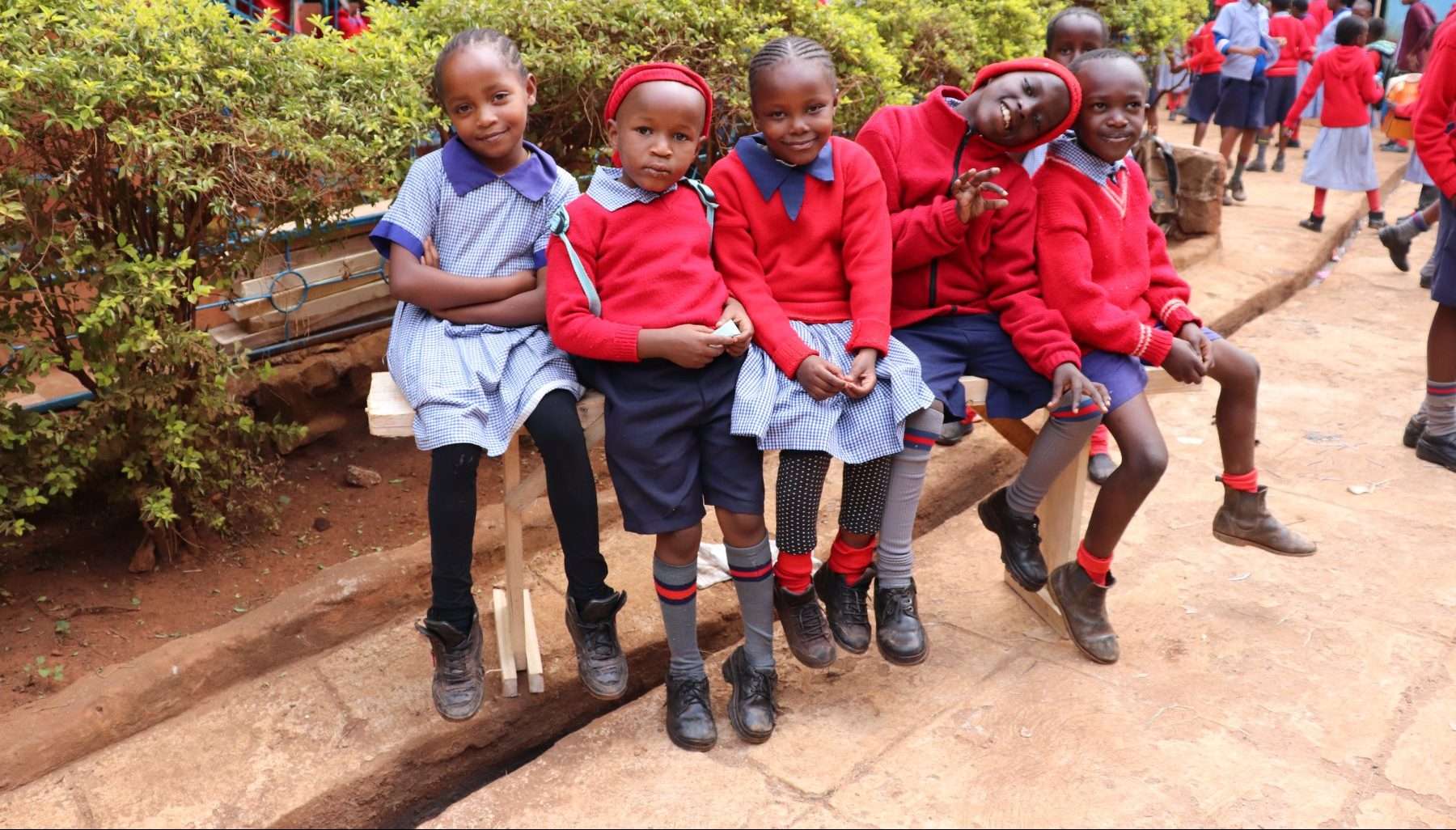
Get Involved
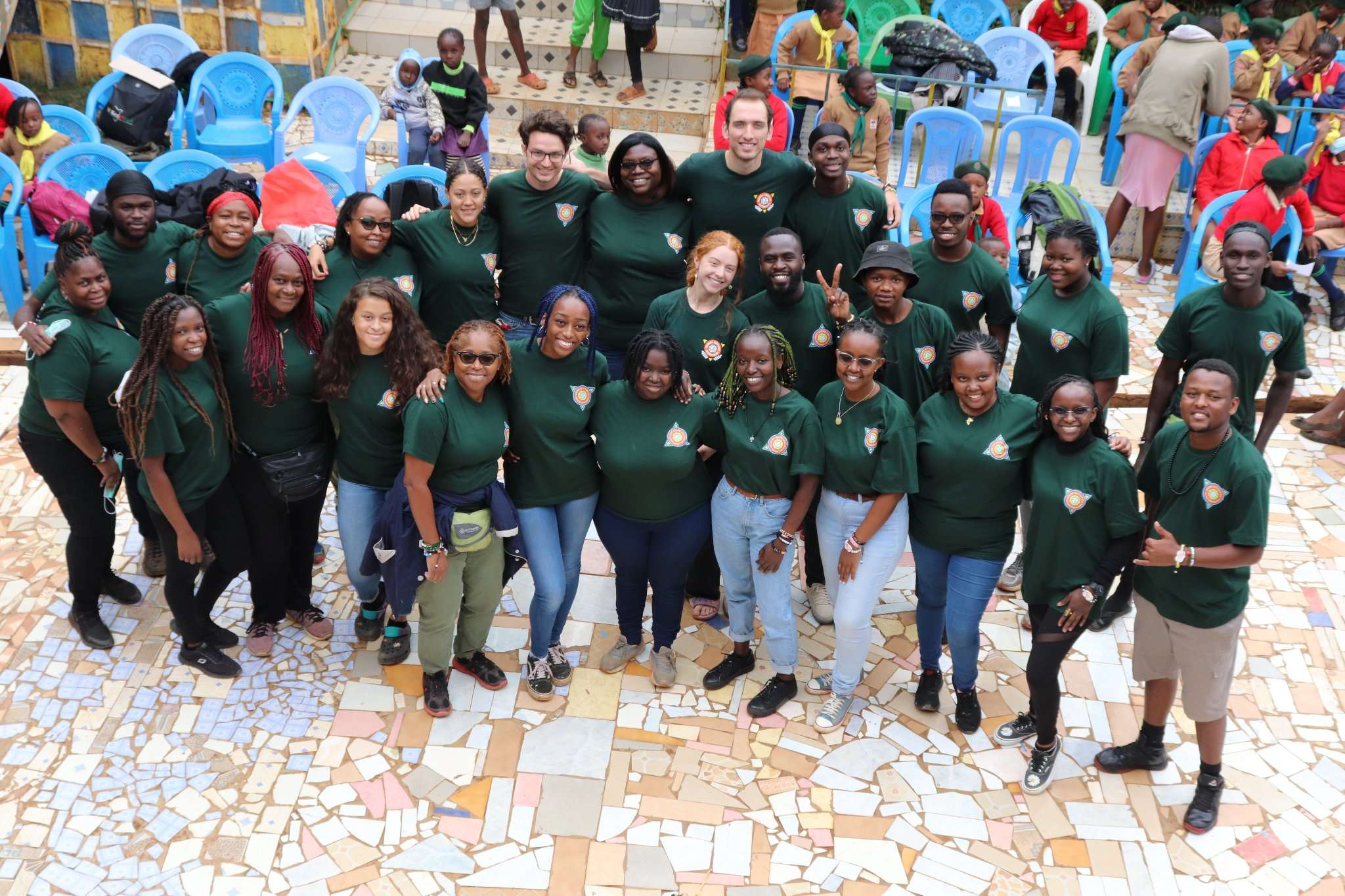
HOPE worldwide Kenya (HWWK) recognizes and values the contribution made by Volunteers and Corporate Partners since our registration in 1999, to the official launch of programs in 2003 and onwards.
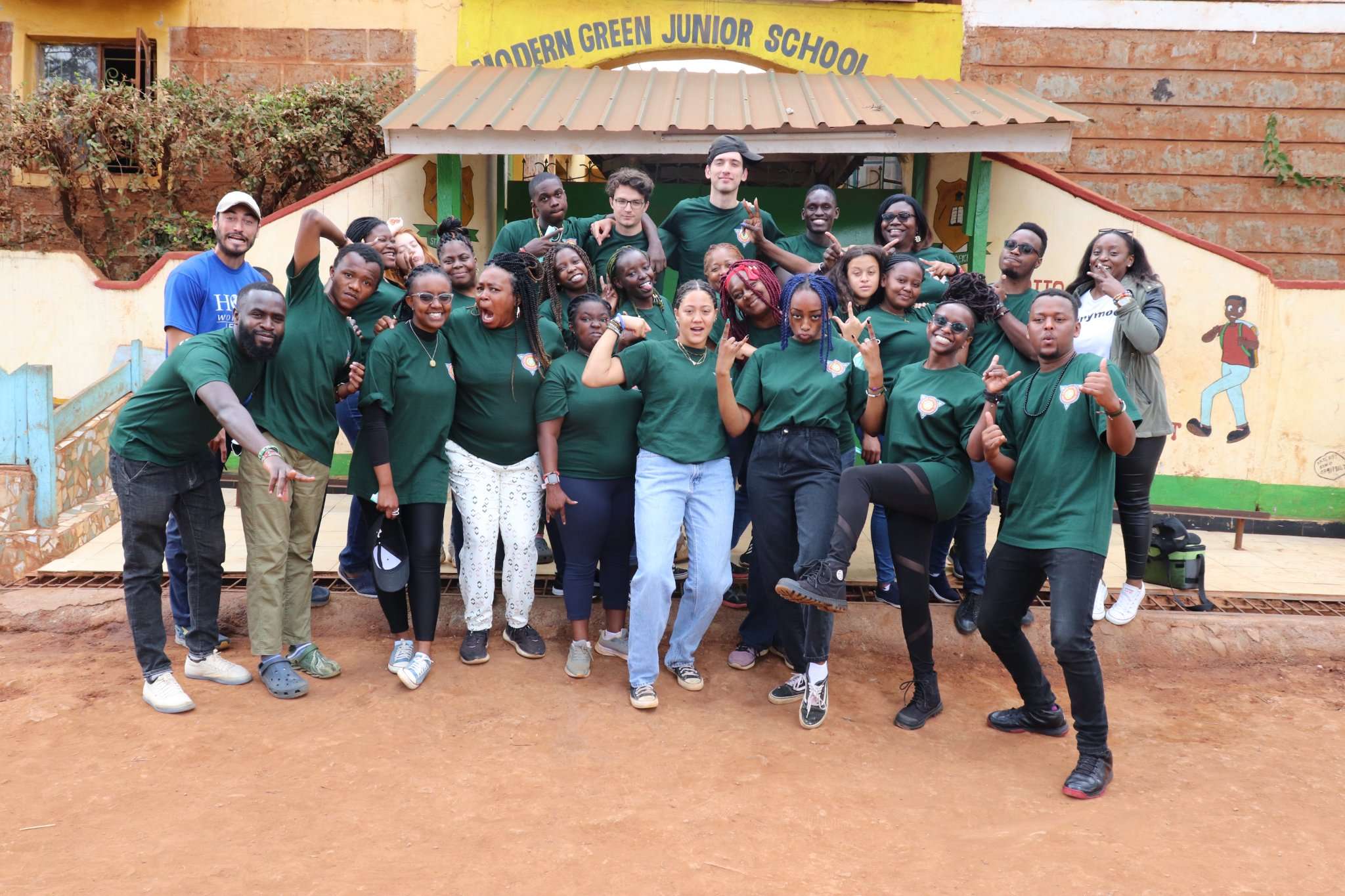
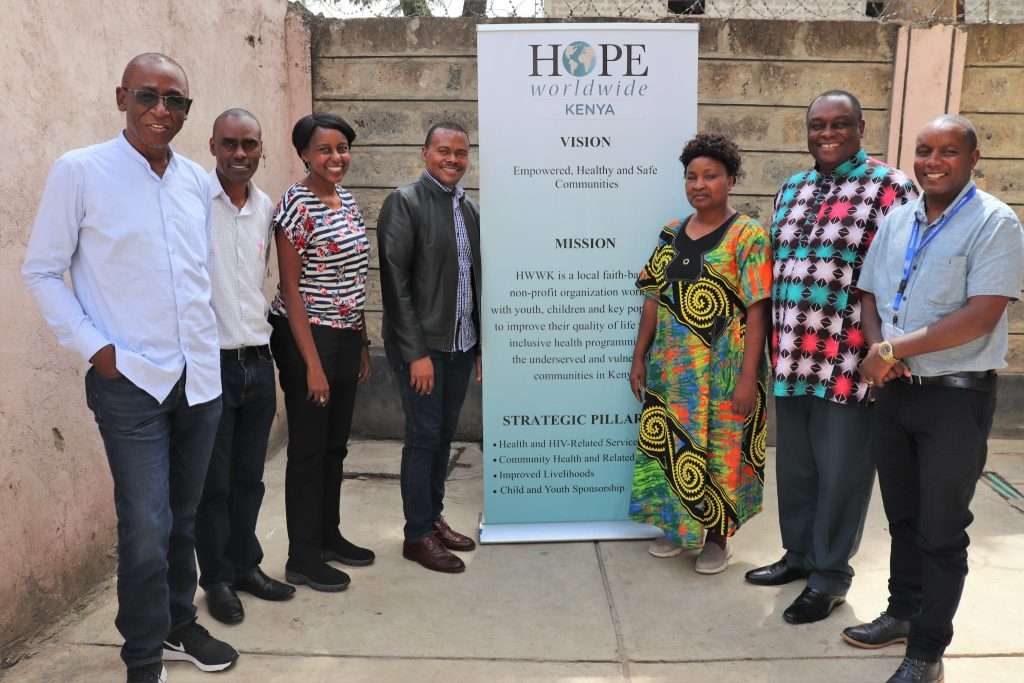
Empowered, Healthy and Safe Communities
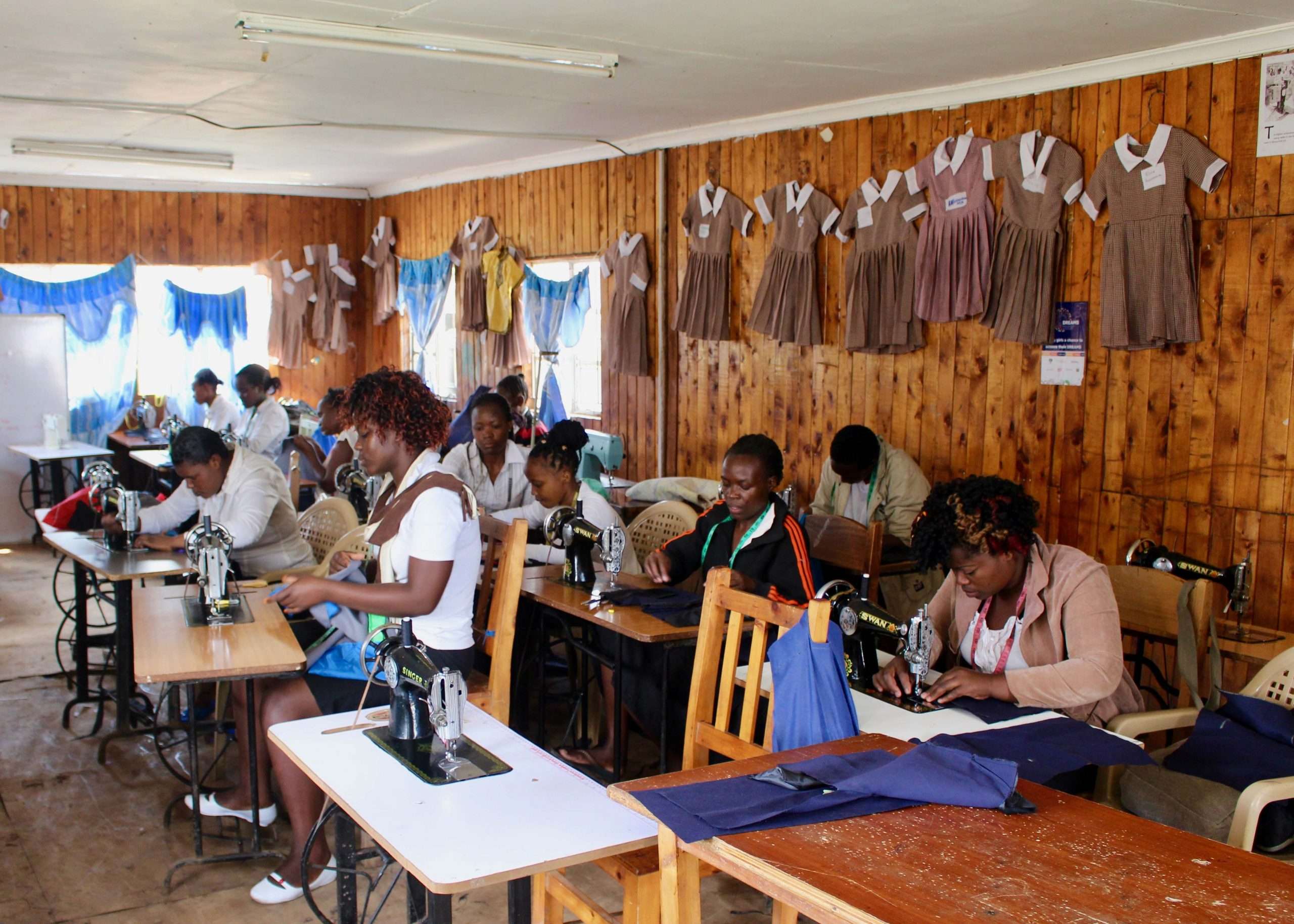
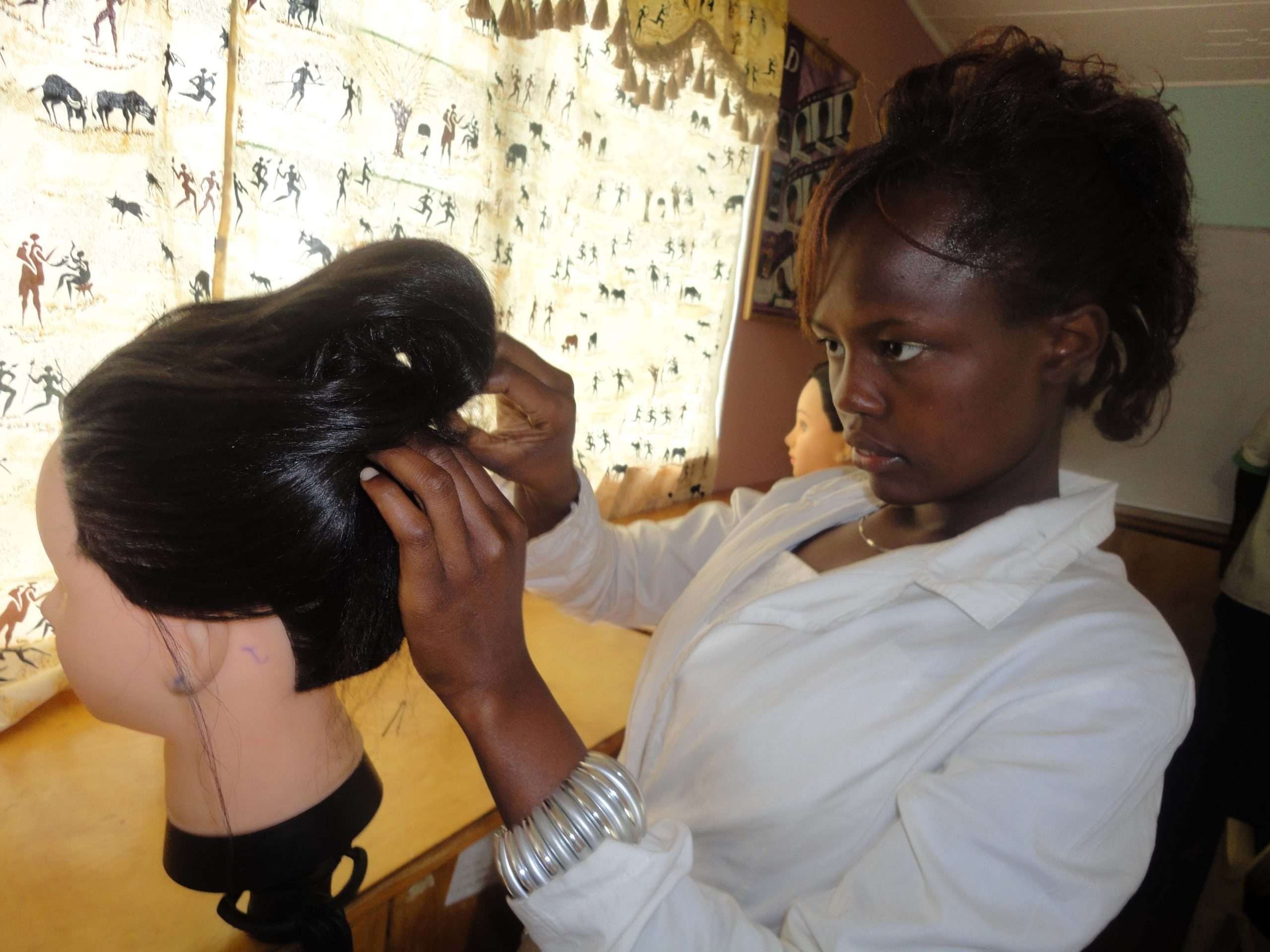
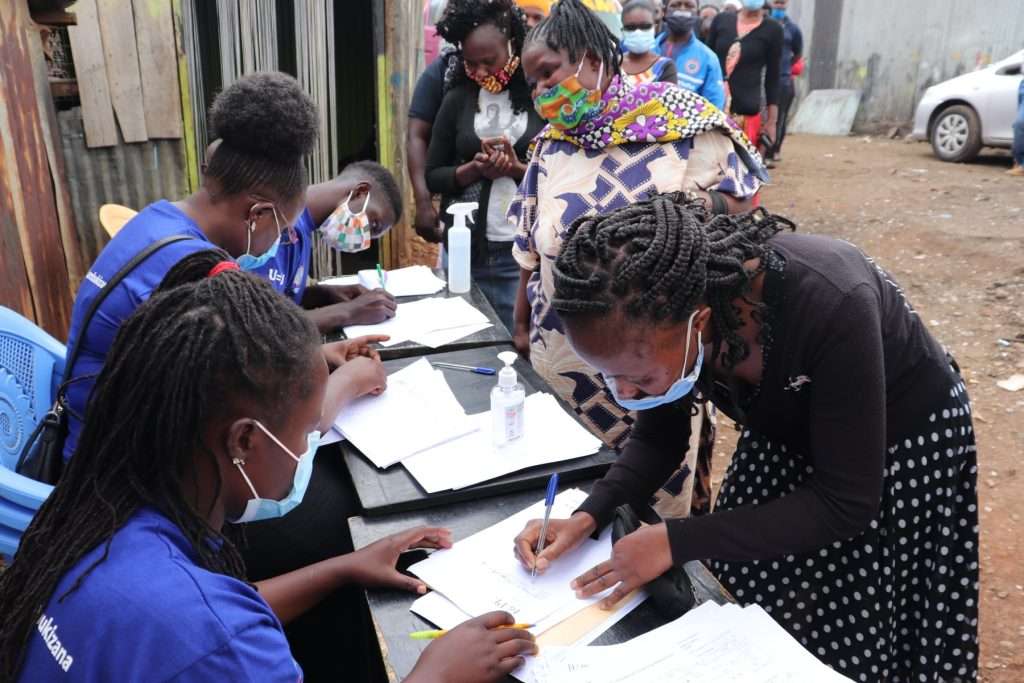
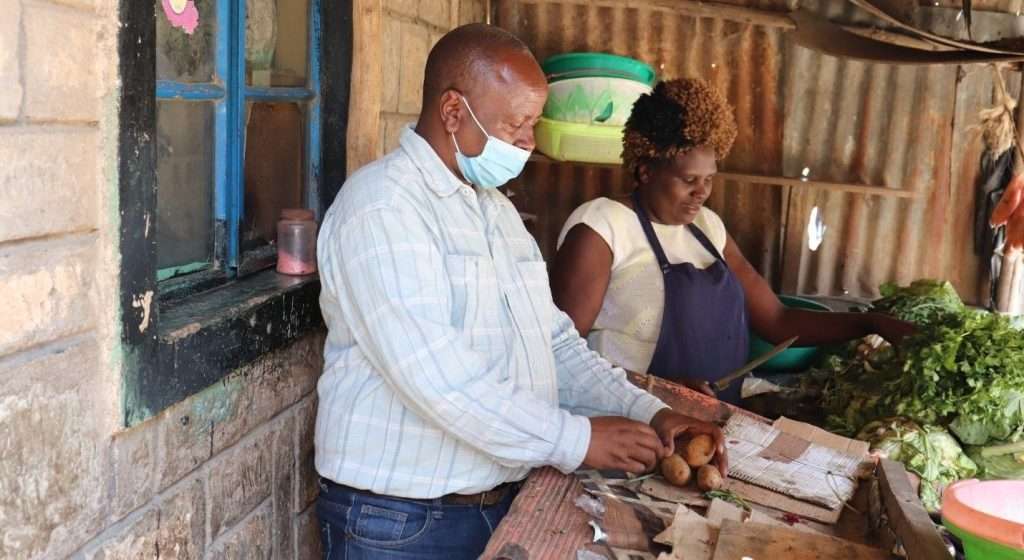
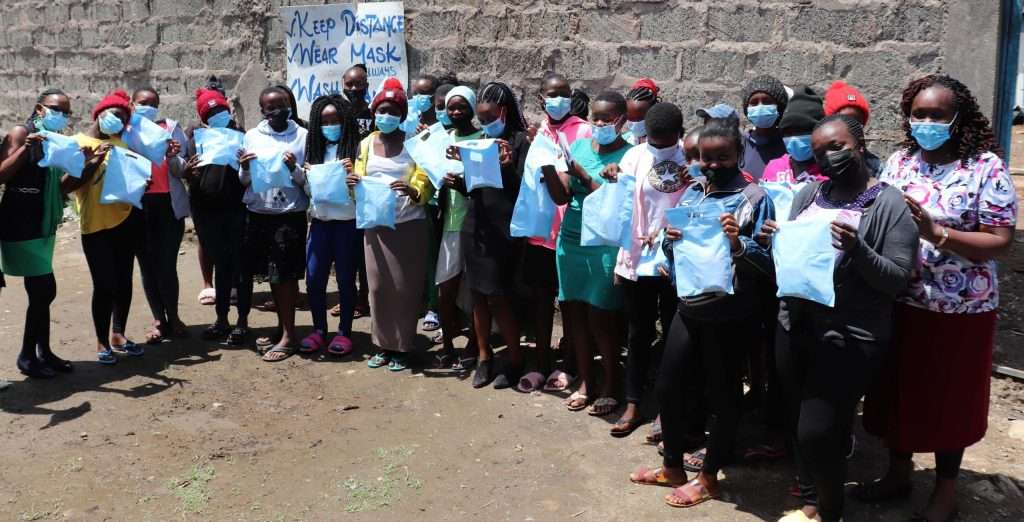
HOPE worldwide Kenya works with youth in informal settlements and addresses the structural drivers that directly and indirectly increases their vulnerability including poverty, gender inequality, sexual violence, and a lack of education.
Change a Life
Youth in Kenya face many challenges. At the heart of these challenges is poverty that makes them vulnerable to involvement in risky behavior, cutting short their potential, dreams and lives.



















5,508

HOPE worldwide Kenya
VISION: Empowered, Healthy and Safe Communities.
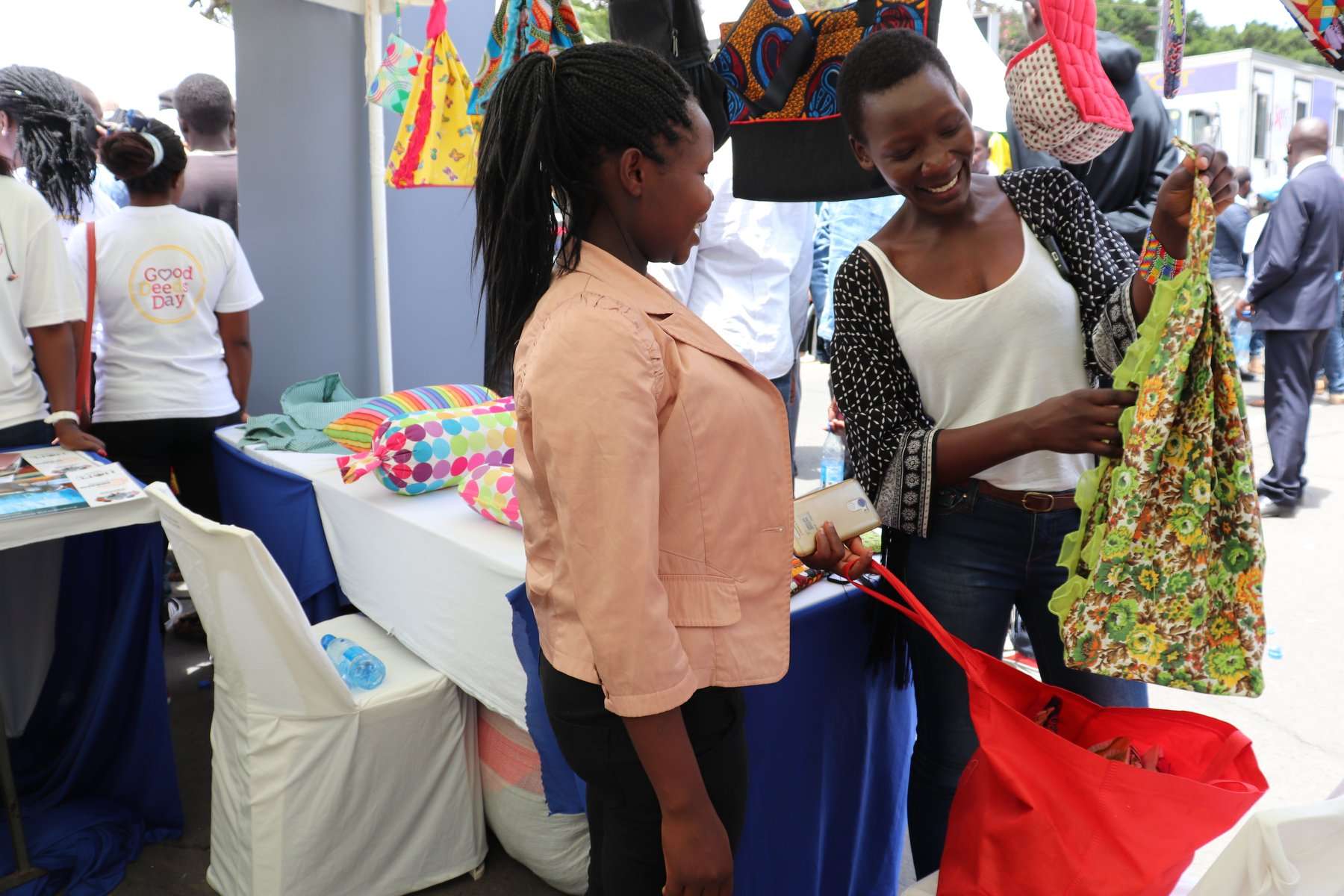
HOPE worldwide Kenya was privileged to attend the Africa Regional Good Deeds Day Volunteering Conference held in August at the Boma Hotel, Nairobi. The theme of the conference was “A World of Doing Good: The Space for Inclusive & Innovative Volunteering through Strategic Partnerships in enhancing Africa’s Development”.
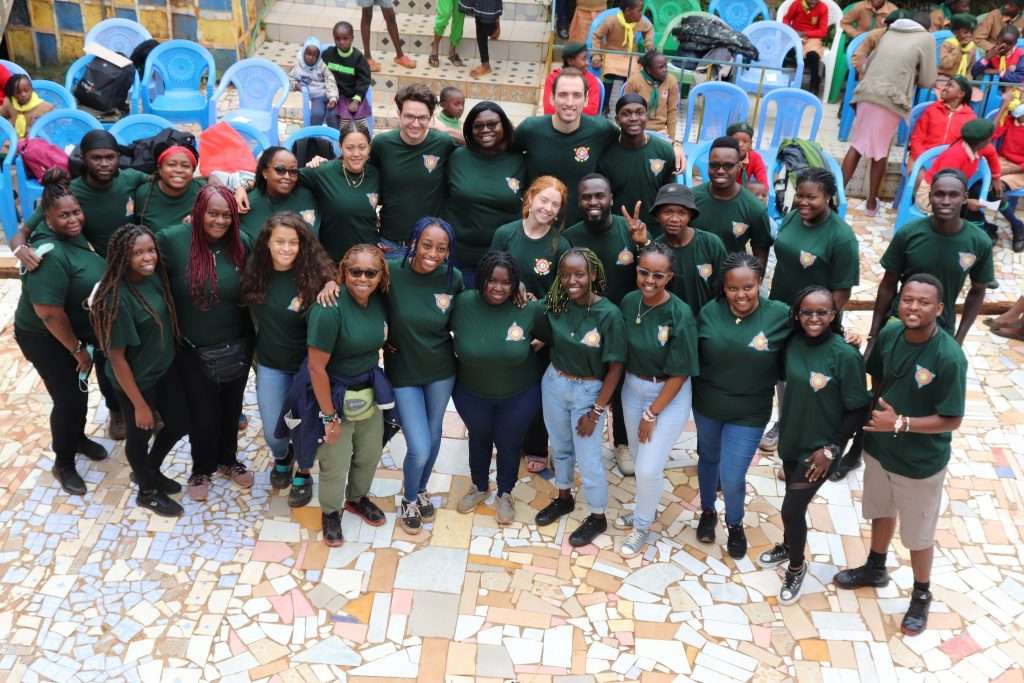
HWWK believes in the power of communities and the incredible impact of volunteerism, as seen in the various projects we implement. The conference was a significant occasion where organizations and dedicated individuals from across the continent joined forces, all with a shared commitment to advancing development through inclusive and innovative volunteering in Africa.
Guests included Hon. Florence Bore, Cabinet Secretary for Labour and Social Protection, Hon. Babu Owino, Member of Parliament, Embakasi East Constituency, and Kaynan Rabino, CEO Good Deeds Day and VP of Vision Ventures, Arison Foundation.
We commend the various partners including the Ministry of Labour and Social Protection and the Volunteer Involving Organizations Society for organizing a successful conference.
7 months ago


🎓🌟 Graduation Day Extravaganza! 🌟🎓
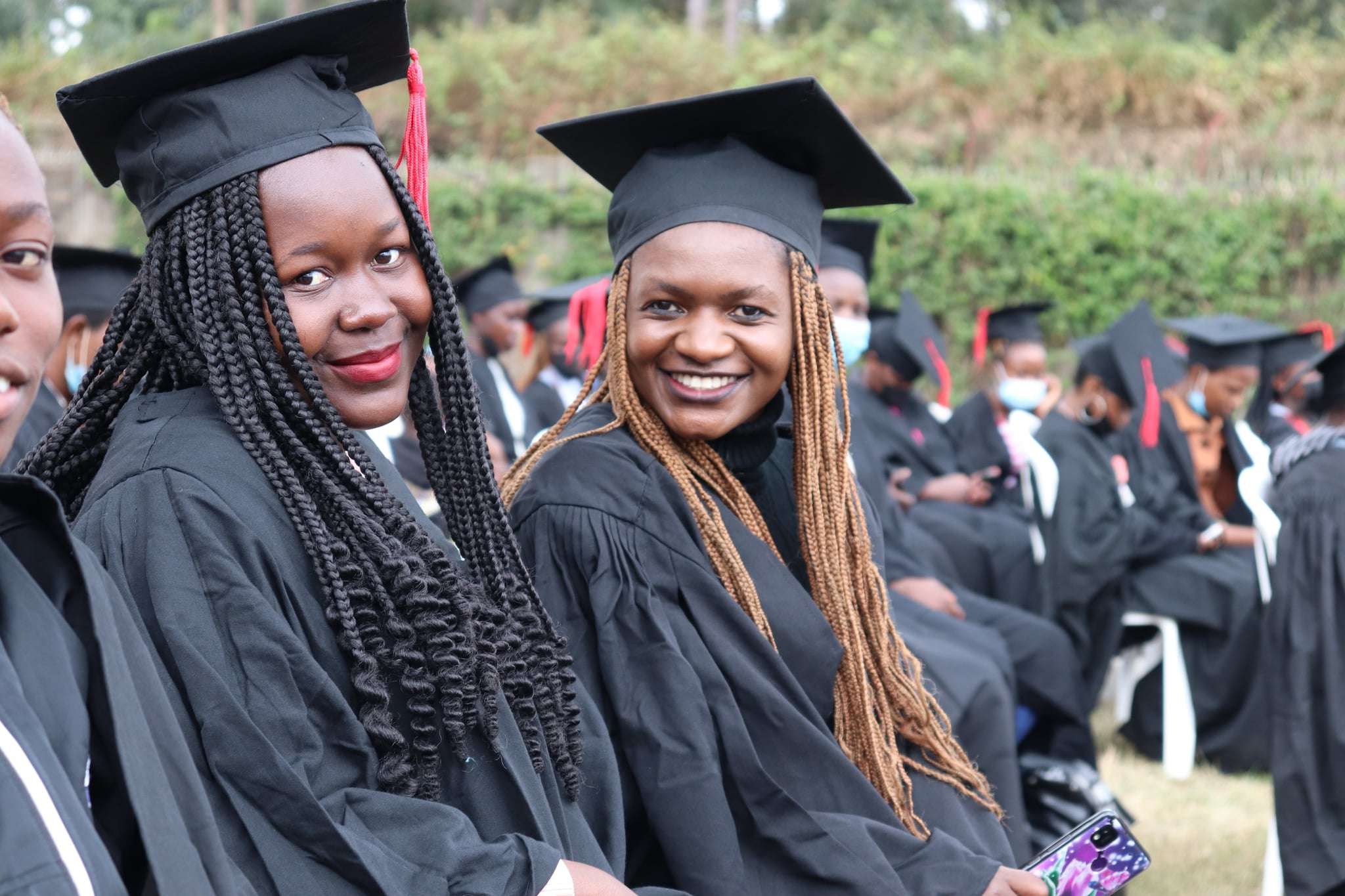
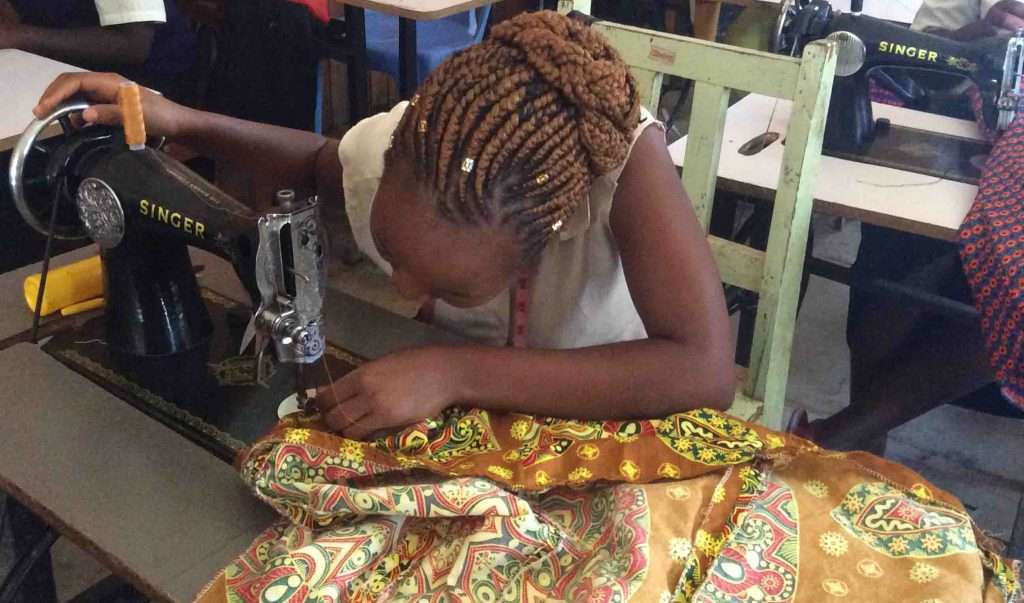
What an incredible day it was as we celebrated multiple graduations all happening on the same day! 🎉 25th August 2023 was a jovial day as young women under the CONNECT DREAMS project graduated from various vocational institutions and colleges.
The young women came from Kayole, Mukuru Kwa Ruben, Mukuru Viwandani, Tassia, Huruma, Mathare Utalii, Mathare Hospital, Korogocho, and Kariobangi North.
As these brilliant young women embark on new adventures, HWWK offers them our heartfelt congratulations and best wishes for the future!
8 months ago


I salute the team (Learners, trainers, staff) for job well done 👏 ✔️
Awesome
Good job. Congratulations 👏👏
Good Job team.Always proud of you
To God be all the Glory.
Natamani nirudi shule.naomba munisaidieni tafafhali hata kama ni vocational pls.
Why not extend your services to Kajiado central (town). I desire to study please.
Hello dear friends hope world wide
🎓✨ Reflecting on an Unforgettable Graduation Day! 🎓✨
On 25th August 2023, HWWK celebrated 5 graduating interns from Cohort 1 of the AjiraForShe Apprenticeship Initiative at the Villa Rosa Kempinski Hotel.
Spearheaded by the Ministry of Information, Communications & The Digital Economy KE's Ajira Digital Program with support from eMobilis Mobile Technology Institute, Mastercard Foundation, and Kenya Private Sector Alliance (KEPSA), the AjiraForShe Apprenticeship is a women empowerment initiative that aims to build women’s confidence in taking up digital job opportunities and enhancing their already-gained skills through 3 months of on-the-job training through an internship.
The 5 interns were drawn from the CONNECT DREAMS project. As beneficiaries, the interns had received digital skills training under the Ajira Digital Program. Through their internships, they enhanced their knowledge on Data entry and analysis, Minutes taking, Digital Marketing, CV Writing, among other skills.
We extend our deepest gratitude to the AjiraForShe partners for hosting an incredible graduation and launch of the project.
We also congratulate our interns for the successful completion of their internship. The world is yours to conquer, and we can’t wait to see the impact you’ll make!
#AjiraForShe #TheFutureWorksOnline
8 months ago


Congratulations 👏👏👏
Congratulations to my our girls.
5,508
HOPE worldwide Kenya
VISION: Empowered, Healthy and Safe Communities.
HOPE worldwide Kenya was privileged to attend the Africa Regional Good Deeds Day Volunteering Conference held in August at the Boma Hotel, Nairobi. The theme of the conference was “A World of Doing Good: The Space for Inclusive & Innovative Volunteering through Strategic Partnerships in enhancing Africa’s Development”.
HWWK believes in the power of communities and the incredible impact of volunteerism, as seen in the various projects we implement. The conference was a significant occasion where organizations and dedicated individuals from across the continent joined forces, all with a shared commitment to advancing development through inclusive and innovative volunteering in Africa.
Guests included Hon. Florence Bore, Cabinet Secretary for Labour and Social Protection, Hon. Babu Owino, Member of Parliament, Embakasi East Constituency, and Kaynan Rabino, CEO Good Deeds Day and VP of Vision Ventures, Arison Foundation.
We commend the various partners including the Ministry of Labour and Social Protection and the Volunteer Involving Organizations Society for organizing a successful conference.
7 months ago
🎓🌟 Graduation Day Extravaganza! 🌟🎓
What an incredible day it was as we celebrated multiple graduations all happening on the same day! 🎉 25th August 2023 was a jovial day as young women under the CONNECT DREAMS project graduated from various vocational institutions and colleges.
The young women came from Kayole, Mukuru Kwa Ruben, Mukuru Viwandani, Tassia, Huruma, Mathare Utalii, Mathare Hospital, Korogocho, and Kariobangi North.
As these brilliant young women embark on new adventures, HWWK offers them our heartfelt congratulations and best wishes for the future!
8 months ago
I salute the team (Learners, trainers, staff) for job well done 👏 ✔️
Awesome
Good job. Congratulations 👏👏
Good Job team.Always proud of you
To God be all the Glory.
Natamani nirudi shule.naomba munisaidieni tafafhali hata kama ni vocational pls.
Why not extend your services to Kajiado central (town). I desire to study please.
Hello dear friends hope world wide
🎓✨ Reflecting on an Unforgettable Graduation Day! 🎓✨
On 25th August 2023, HWWK celebrated 5 graduating interns from Cohort 1 of the AjiraForShe Apprenticeship Initiative at the Villa Rosa Kempinski Hotel.
Spearheaded by the Ministry of Information, Communications & The Digital Economy KE's Ajira Digital Program with support from eMobilis Mobile Technology Institute, Mastercard Foundation, and Kenya Private Sector Alliance (KEPSA), the AjiraForShe Apprenticeship is a women empowerment initiative that aims to build women’s confidence in taking up digital job opportunities and enhancing their already-gained skills through 3 months of on-the-job training through an internship.
The 5 interns were drawn from the CONNECT DREAMS project. As beneficiaries, the interns had received digital skills training under the Ajira Digital Program. Through their internships, they enhanced their knowledge on Data entry and analysis, Minutes taking, Digital Marketing, CV Writing, among other skills.
We extend our deepest gratitude to the AjiraForShe partners for hosting an incredible graduation and launch of the project.
We also congratulate our interns for the successful completion of their internship. The world is yours to conquer, and we can’t wait to see the impact you’ll make!
#AjiraForShe #TheFutureWorksOnline
8 months ago
Congratulations 👏👏👏
Congratulations to my our girls.